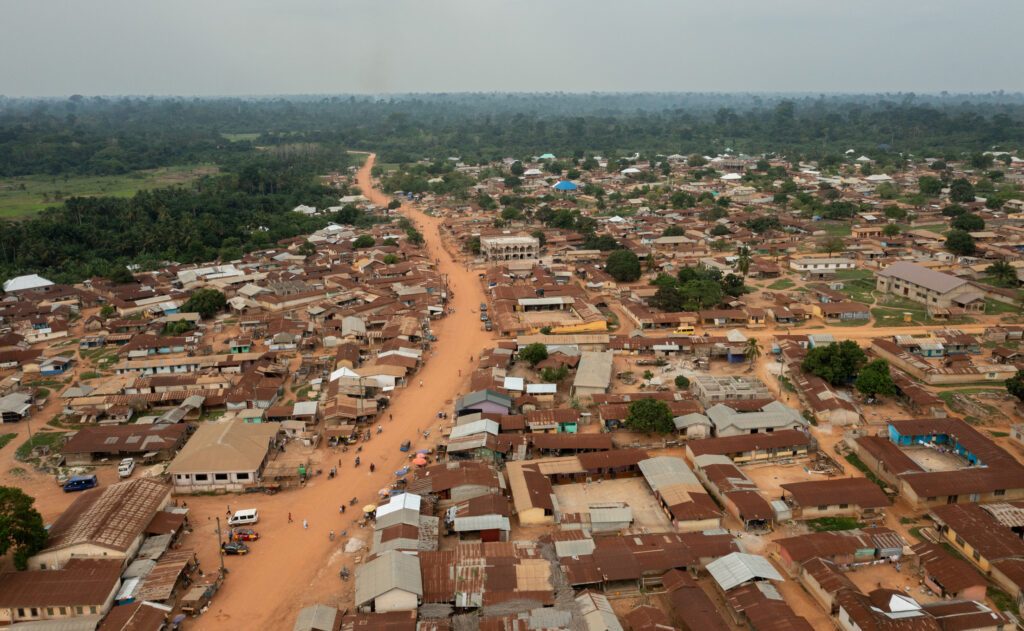
On World Habitat Day, the Commonwealth Sustainable Cities Coalition highlights the findings of its Housing Action Group, led by the Commonwealth Association of Architects. A comparative study of Fiji, India and Kenya found the same pattern in each: most housing is built incrementally by households, yet policy and finance remain designed for a formal market that serves a minority.
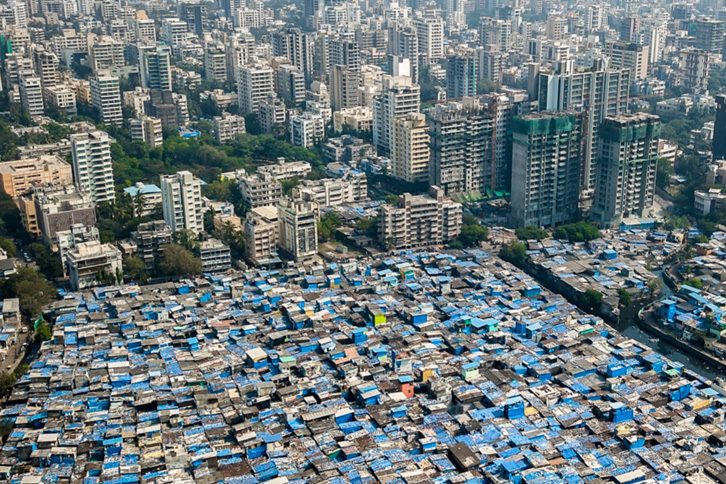
World Habitat Day 2026 is being marked under the theme “Adequate Housing for All”. UN-Habitat estimates that 3.4 billion people face some form of housing inadequacy, with close to 1.1 billion living in slums and informal settlements.
About the Commonwealth Sustainable Cities Coalition
The Commonwealth Sustainable Cities Coalition (CSCC) was launched in November 2025 as a pilot programme to help Commonwealth countries respond to the combined pressures of rapid urbanisation and climate change. Nearly half of the projected growth in the world’s urban population to 2050 is expected to take place in Commonwealth countries.
Funded by the UK Foreign, Commonwealth and Development Office, the CSCC builds on the Commonwealth Declaration on Sustainable Urbanisation. It was established by the partners of the Commonwealth Sustainable Cities Initiative: the Association of Commonwealth Universities, the Commonwealth Association of Architects, the Commonwealth Association of Planners, the Commonwealth Engineers’ Council and the Commonwealth Local Government Forum, working in collaboration with the Government of Rwanda and The King’s Foundation.
The Coalition supports knowledge exchange, capacity building and practical action through three Action Groups, on Housing, Urban Finance and Integrated Planning, with a cross-cutting focus on skills.
The Housing Action Group
The Housing Action Group was led by the Commonwealth Association of Architects (CAA). Over five months it brought together representatives of national governments, academia, housing practitioners, industry bodies, built environment professionals, civil society and multilateral agencies to examine how housing systems function in practice.
Fiji, India and Kenya were chosen for detailed study because they are so different in scale, institutional capacity, patterns of urbanisation and exposure to climate risk. The findings are set out in the report Strengthening Housing Systems for a Rapidly Urbanising Commonwealth.
What the three countries have in common
Despite their differences, the same patterns recurred in all three countries.
- Households, not developers, build most homes. Around 80% of owner-occupied homes in Kenya are self-built and approximately 70% of housing in India is self-built or incremental. In Fiji, self-build and incremental construction account for the majority of delivery. In each country, formal developer-led supply is small relative to need and concentrated in higher-income segments.
- Formal finance serves a minority. Fewer than 1% of Kenyan households hold a mortgage and fewer than 5% of Indian households hold a housing loan. Fiji’s housing credit market is larger relative to GDP but remains concentrated among higher-income households. In all three, most housing investment comes from savings, remittances, cooperative lending and informal borrowing, while formal finance is geared to completed units.
- Access to serviced, secure land is the persistent constraint. The causes differ, from incomplete land records and slow titling in Kenya, to restrictive land-use and density rules in India, to the negotiation of customary tenure in Fiji. The result is the same: land is urbanised before it is serviced, and growth is pushed to the periphery.
- Rental housing is essential but overlooked. Renting houses 72% of urban households in Kenya, about 27% in India and roughly 24% in Fiji. In every case it is supplied mainly by small-scale landlords through rooms, extensions and backyard units, and it sits largely outside housing policy.
- Climate risk falls hardest on incremental housing. Flooding and heat in Kenya, rising exposure and emissions in India, and cyclones and coastal hazards in Fiji all bear most heavily on homes built outside formal systems, where building codes and technical guidance rarely reach.
Four recommendations
- Foster cross-sector collaboration to strengthen coordination across housing systems.
- Build a shared knowledge base on housing systems across the Commonwealth.
- Mobilise Commonwealth professional and academic networks to strengthen skills and practice.
- Use Commonwealth platforms to elevate housing in urban and climate agendas.
Reflecting on the significance of these findings and recommendations, CAA President, John Brown remarked: “Fiji, India and Kenya could hardly be more different, yet we found the same story in each. Housing systems are not failing. They are working through pathways that policy has yet to recognise. Adequate housing for all starts with aligning our systems to that reality.”