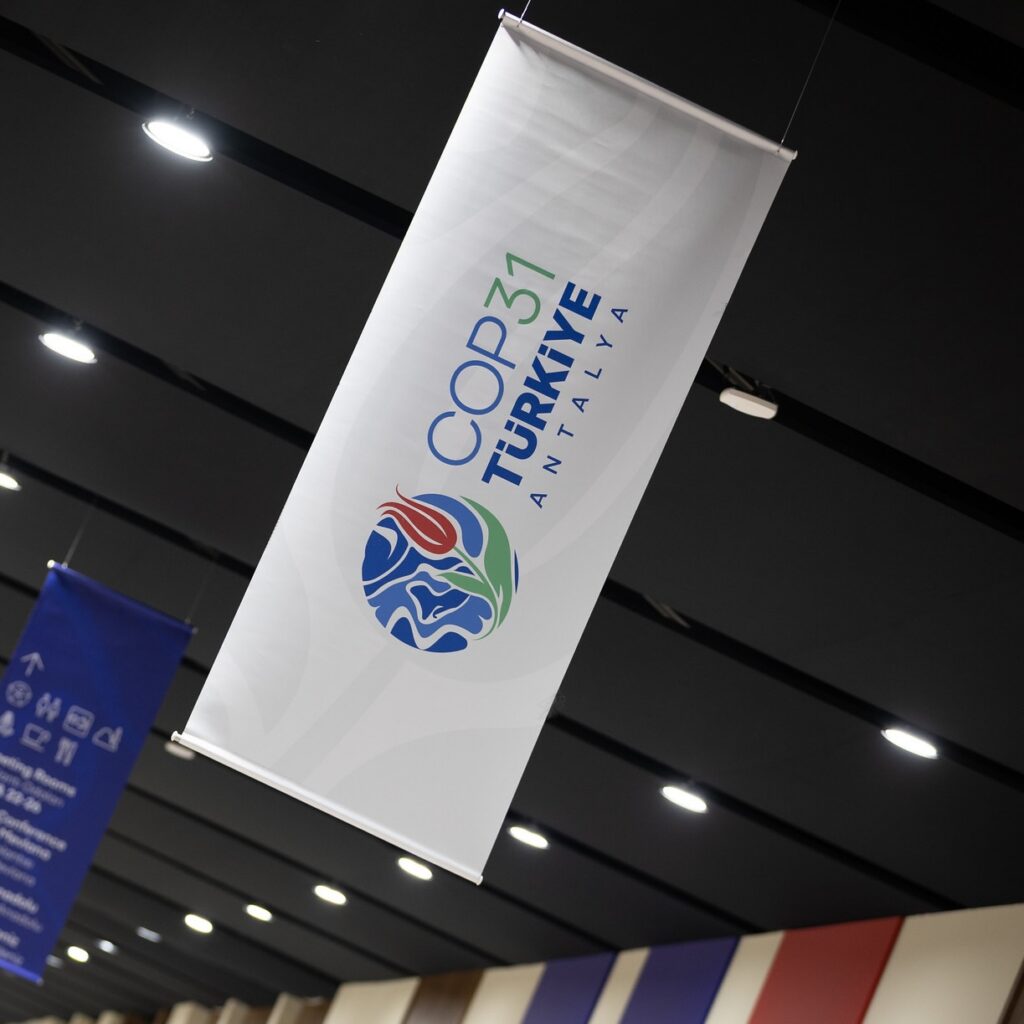
Despite the recent outcome of COP31, the Commonwealth Association of Architects remains dedicated in its efforts to support climate action and reaffirms its support for sustainable urbanisation as we look ahead to COP32 in Ethiopia.
The Commonwealth Association of Architects (CAA) reaffirms its commitment to the Paris Agreement and the efforts to limit global warming to 1.5°C, following the conclusion of COP31 in Antalya, Türkiye, without agreement on the Presidency-led decisions, including on the overarching cover decision. The CAA is concerned that governments met at a critical juncture and left Antalya without an agreement. The UN Secretary-General, António Guterres, called the result “deeply disappointing,” and the CAA agrees. CAA President John Brown stated, “Despite this setback, the Architects of the Commonwealth remain committed to driving the climate action agenda through sustainable urbanism and climate resilient building design and construction standards, particularly in rapidly urbanising countries where the impact on global warming would be the greatest”.
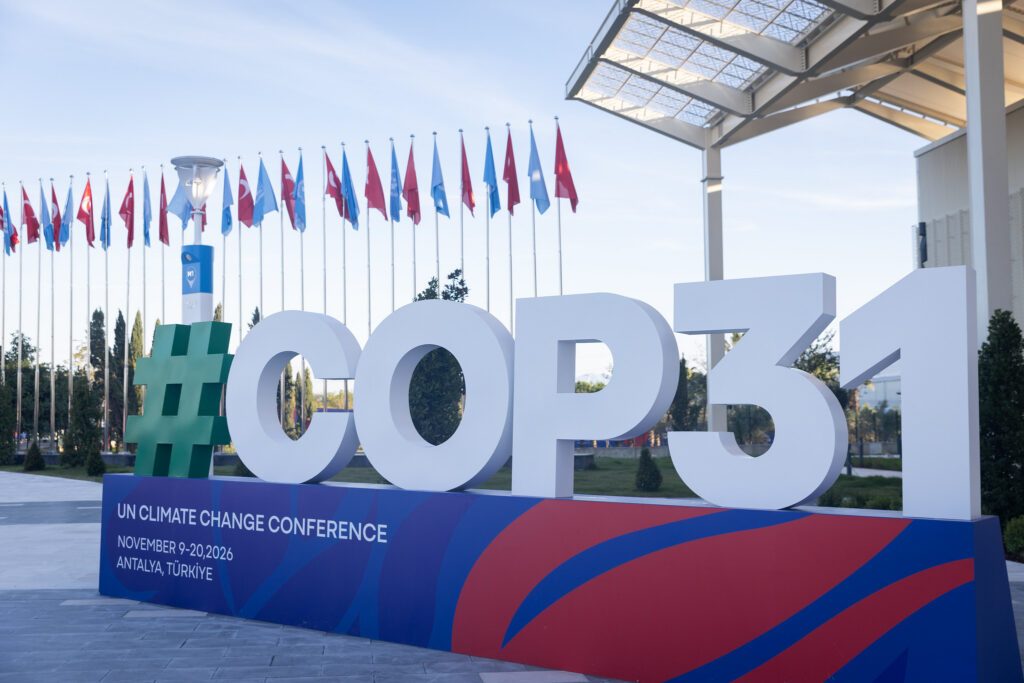
What COP31 Did and Did Not Deliver
At the closing plenary for COP31, UN Climate Change Executive Secretary, Simon Stiell said that parties had been unable to agree on any Presidency-led decisions but argued the action agenda nevertheless produced “real progress and concrete results,” including on building resilience for cities and infrastructure. For the built environment, the practical consequences are clear: the main political vehicle for formal recognition of sustainable urbanisation, resilient cities, building standards and local government capacity did not materialise at COP31.’
Despite this setback, the CAA believes that COP remains a vital and irreplicable forum for accelerating the transition to a climate-resilient, adaptable future. We also believe that the built environment must remain a central part of this discussion. Accordingly, we acknowledge and recognise that some of COP31’s action agenda produced some practical outcomes, including the Electrify the World delivery package, which recognises the role of civil society organisations in promoting adaptation, resilience and capacity building. We support Commonwealth Secretary General Shirley Botchwey’s recent COP statement urging “parties to deliver fair and ambitions outcomes that turn commitments into results for our countries and communities, especially those that need them most and urgently.”
Where the CAA’s Priorities Remained Visible
The CAA’s continued calls for stronger building codes and energy standards, ecosystem-based planning reforms, improvement in local government skills and capacities and climate finance that reaches cities were not secured in a negotiated text. The CAA remains committed to these goals and recognises that they will be advanced not through headline consensus texts, but through continued Post-COP implementation coalitions, country-level technical work and, the various action agendas and projects happening across the Commonwealth. These direct actions are where CAA, in partnership with its member organisations, remains best place to offer leadership, support and advocacy.
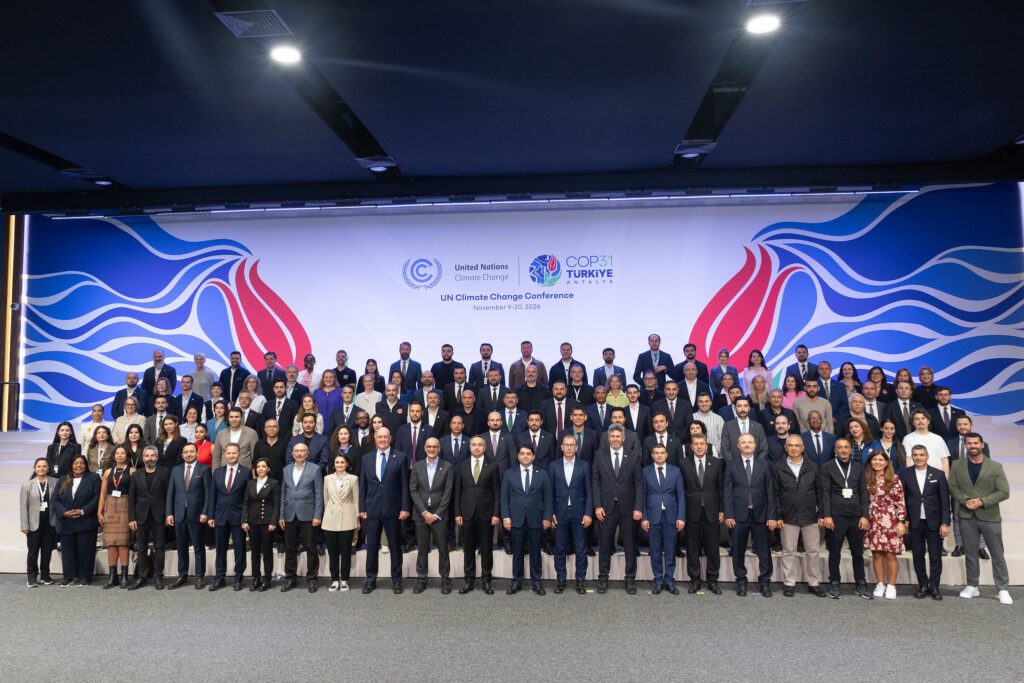
Maintaining Momentum: Continuing the Work of Sustainable Urbanisation
As an organisation of organisations representing national architectural bodies across the Commonwealth, the CAA looks to push ahead with its work in advocacy, capacity building and climate action. Our ongoing initiatives include:
- Translating Policies into Projects. Through its participation in the Commonwealth Sustainable Cities Coalition (CSCC), the CAA is helping to move policy objectives into pilot projects for delivery.
- Global Goals, Localised Implementation. The CAA remains ready to support implementation of the COP31 / GlobalABC’s Antalya Compact for Energy Efficient Buildings, drawing on its policy paper with GlobalABC on scaling building energy standards.
- Eco-System Based Adaptation in Practice. Eco-system Based Adaptation and capacity-building were priorities in the draft COP31 cover text, which, whilst not adopted, will remain central to CAA’s strategy to advance them in practice.
- Knowledge, Evidence & Skills. Building on the CAA’s new Memorandum of Understanding with the World Bank and our Commonwealth-wide knowledge-sharing platform, the CAA will give its members a reasoned evidence base for advocacy and a tool to counter misinformation.
- Strategic Advocacy. The CAA’s new mechanism for member organisations to share positions and advocate together will equip member organisations to put their case directly to their governments’ ministerial focal points.
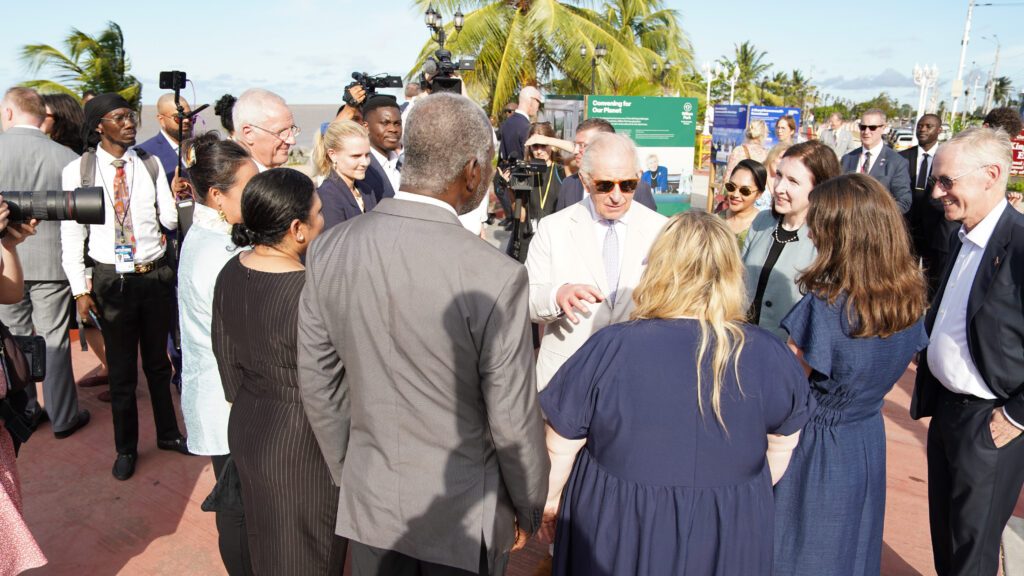
Looking Ahead: COP32 in Ethiopia
Turning toward COP32, the CAA will continue to advocate for sustainable urbanisation through the uplift of building codes and energy standards, planning reforms in tandem with architectural skills development and training. Climate change does not stop at political borders. Global problems require collective global action, and the CAA will continue to work with its member organisations, partners and governments to deliver it.